Pages

Share This

Deepseek https://www.deepseek.com/./深度求索 DeepSeek | 深度求索
Showing posts with label artificial intelligence. Show all posts

Friday, December 26, 2025

China steals a march on US in tech title race


Making inroads: A woman descends a staircase in a book store in Beijing. Despite considerable geopolitical tensions, Chinese open-source AI models are winning over a growing number of programmers and companies in the United States. — AFP

NEW YORK: As the United States embarks on a bitter rivalry with China over the deployment of artificial intelligence (AI), Chinese technology is quietly making inroads into the US market.

Despite considerable geopolitical tensions, Chinese open-source AI models are winning over a growing number of programmers and companies in the United States.

These are different from the closed generative AI models that have become household names – ChatGPT-maker OpenAI or Google’s Gemini – whose inner workings are fiercely protected.

In contrast, “open” models offered by many Chinese rivals, from Alibaba to DeepSeek, allow programmers to customise parts of the software to suit their needs.

Globally, use of Chinese-developed open models has surged from just 1.2% in late 2024 to nearly 30% in August, according to a report published this month by the developers’ platform OpenRouter and US venture capital firm Andreessen Horowitz.

China’s open-source models “are cheap – in some cases free – and they work well,” Wang Wen, dean of the Chongyang Institute for Financial Studies at Renmin University of China said.

One American entrepreneur, speaking on condition of anonymity, said their business saves US$400,000 annually by using Alibaba’s Qwen AI models instead of the proprietary models.

“If you need cutting-edge capabilities, you go back to OpenAI, Anthropic or Google, but most applications don’t need that,” said the entrepreneur.

US chip titan Nvidia, AI firm Perplexity and California’s Stanford University are also using Qwen models in some of their work.

The January launch of DeepSeek’s high performance, low cost and open source “R1” large language model (LLM) defied the perception that the best AI tech had to be from US juggernauts like OpenAI, Anthropic or Google.

It was also a reckoning for the United States, locked in a battle for dominance in AI tech with China, on how far its archrival had come.

AI models from China’s MiniMax and Z.ai are also popular overseas, and the country has entered the race to build AI agents, programmes that use chatbots to complete online tasks like buying tickets or adding events to a calendar.

Agent friendly, and open-source, models, like the latest version of the Kimi K2 model from the startup Moonshot AI, released in November, are widely considered the next frontier in the generative AI revolution.

The US government is aware of open-source’s potential.

In July, the Trump administration released an “AI Action Plan” that said America needed “leading open models founded on American values”.

These could become global standards, it said.

But so far US companies are taking the opposite track. Meta, which had led the country’s open-source efforts with its Llama models, is now concentrating on closed-source AI instead.

However, this summer, OpenAI, under pressure to revive the spirit of its origin as a nonprofit, released two “open-weight” models – slightly less malleable than “open-source”.

Among major Western companies, only France’s Mistral is sticking with open-source, but it ranks far behind DeepSeek and Qwen in usage rankings.

Western open-source offerings are “just not as interesting”, said the US entrepreneur who uses Alibaba’s Qwen.

The Chinese government has encouraged open-source AI technology, despite questions over its profitability.

Mark Barton, chief technology officer at OMNIUX, said he was considering using Qwen but some of his clients could be uncomfortable with the idea of interacting with Chinese-made AI, even for specific tasks.

Given the current US administration’s stance on Chinese tech companies, risks remain, he said.

“We wouldn’t want to go all-in with one specific model provider, especially one that’s maybe not aligned with Western ideas,” said Barton.

“If Alibaba were to get sanctioned or usage was effectively blacklisted, we don’t want to get caught in that trap.”

But Paul Triolo, a partner at DGA-Albright Stonebridge Group, said there were no “salient issues” surrounding data security.

“Companies can choose to use the models and build on them, without any connection to China,” he explained.

A recent Stanford study published posited that “the very nature of open-model releases enables better scrutiny” of the tech. — AFP

 Related news:

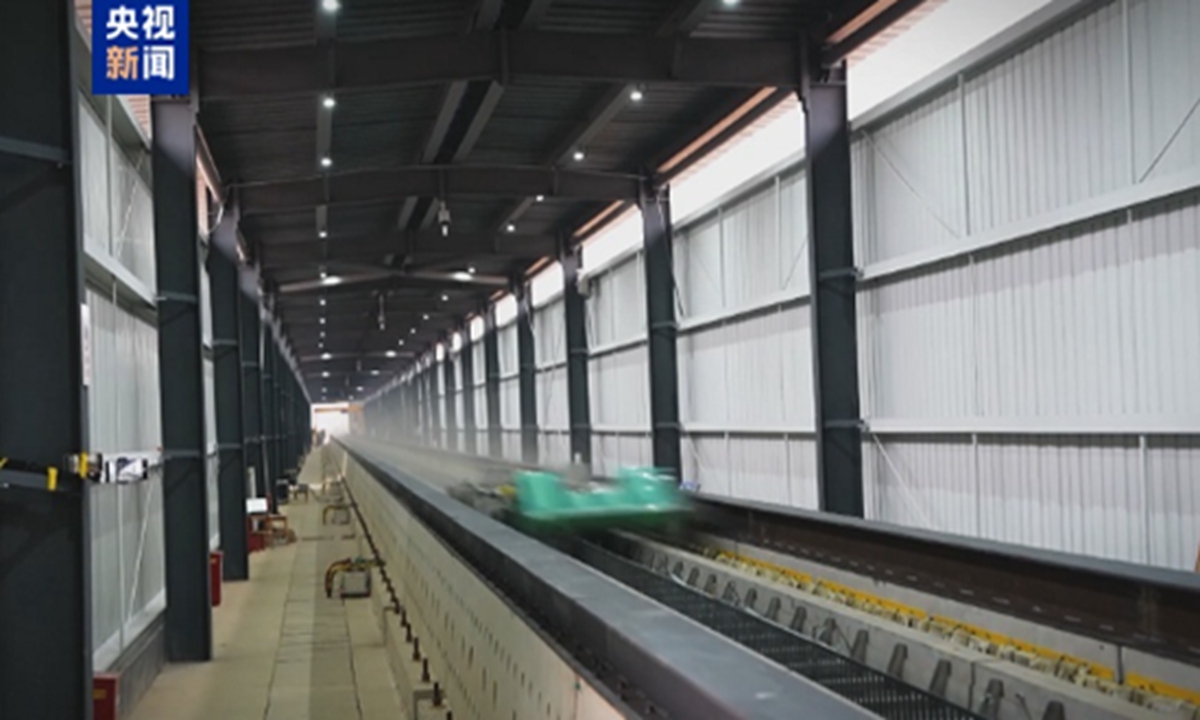
China sets new record of speed in superconducting electromagnetic propulsion for a maglev system: media report

Recently, during a maglev experiment conducted by the maglev team of China's National University of Defense Technology, a ton-class test vehicle was successfully accelerated to 700 kilometers per hour within just two seconds,


Sunday, September 14, 2025

‘Make AI an ally’


AS universities grapple with regulating the use of artificial intelligence (AI) among students, a niche service sector has already emerged.

Third parties are now advertising services on e-commerce platforms to help students bypass AI detectors in their submissions.

These services, marketed as “humanising” AI-generated assignments, involve making machine-produced material sound more like it was written by an actual person. This is done by refining text, replacing overly formal phrasing with more conversational language, or weaving in personal stories and anecdotes.

Stressing the need for varsities to safeguard academic integrity, educators cautioned that this is essential to ensure that students genuinely develop the competencies and skills their qualifications claim to represent.

This, they argued, requires rethinking student assessment models, including moving away from one-off major exams, integrating continuous assessment of the learning process, and introducing formal declarations of AI use - similar to acknowledging collaboration with peers.

“When learning activities are designed to consider not just the final outcome, but also the process, the responses, and how students engage with the material, those elements can serve as meaningful forms of learning assessment,” University of the Philippines Open University (UPOU) development communication Prof Melinda dela Peña Bandalaria told StarEdu.

A former UPOU chancellor, Prof Melinda also served as president of the Asian Association of Open Universities, championing massive open online courses and open educational resources across the region.

“It is no longer just about teaching because knowledge today comes from many different sources.

“Our role is to determine the right level and type of assessment, so we can truly certify that an individual has gained the necessary competencies and skills,” she said.

Rooted in culture

Prof JungProf JungEducation Research Institute visiting research fellow Prof Insung Jung at Seoul National University, South Korea, said students’ reliance on “humanised” AI services is closely tied to societal pressures.

“It is a universal issue, especially in societies that place a strong emphasis on achievements and admission into top universities. This pressure tends to be even stronger in Asian cultures,” she said.

The pressure, said Prof Jung - who has over three decades of experience in open, distance and digital education - is compounded by the fact that some institutions discourage AI use, pushing students to conceal it.

“Students often aim to produce quality work quickly, but then conceal their use of AI. This is partly because some education institutions discourage AI use.

“As a result, students resort to using ‘humanised’ AI responses to avoid detection,” she explained.

In contrast, she noted that Japan’s education and employment practices create a different dynamic.

“In Japan, grades matter less because companies don’t hire based on transcripts. The minimum grade requirement is only 1.0 out of 4.5.

“Whereas in Korea, if you don’t have, for example, 3.0 out of 4.5, you don’t even get to apply for jobs at companies,” said Prof Jung, who spent 19 years teaching in Tokyo, Japan.

Agreeing, University of South Africa Emeritus Prof Paul Prinsloo noted that societal norms often influence how students perceive integrity.

“Another factor is when corruption is deeply embedded in a national culture and people routinely get away with it - without naming any specific countries or regions.

“In such environments, students may grow up believing it is acceptable to pay off authorities or buy their way through life.

“This creates a distorted sense of right and wrong, as dishonesty feels justified - everyone is doing it, or they believe they will not be caught,” Prof Prinsloo, whose expertise is in open and distance e-learning, AI in education and the ethics of student data use, explained.

Focus on learning

The real issue, Prof Prinsloo highlighted, also lies in universities’ emphasis on outcomes rather than the learning journey.

“We did not prepare graduates properly. We focused too much on giving them the right answer instead of teaching them how to think and to find the answer,” he admitted, adding that the focus is now slowly shifting to the learning process.

A way forward is to integrate continuous assessment into the learning process, Prof Olaf Zawacki-Richter of University of Oldenburg, Germany, suggested.

Outsourcing assignments through student help services is relatively uncommon In Germany due to the country’s academic system, said the varsity’s Faculty of Education and Social Sciences dean.

“Students are not graded frequently as they only receive one graded project per module.

“Learning is project-based and collaborative, so lecturers can observe the students’ process step by step.

“This makes it transparent whether the students actually did the work themselves,” he said.

Even before the rise of AI, some institutions had been experimenting with alternative ways of engaging students in assessment.

Citing an example, Prof Prinsloo said some varsities require learners to evaluate their own work based on a clearly spelt-out guideline.

“Students grade their own assignments according to criteria, and then we compared their self-assessment with ours,” he explained.

Although not foolproof, the approach encouraged accountability by prompting students to reflect honestly on their performance and take ownership of their learning.

“It becomes part of their responsibility to own up and say ‘this is how well I think I did’,” he added.

Be transparent

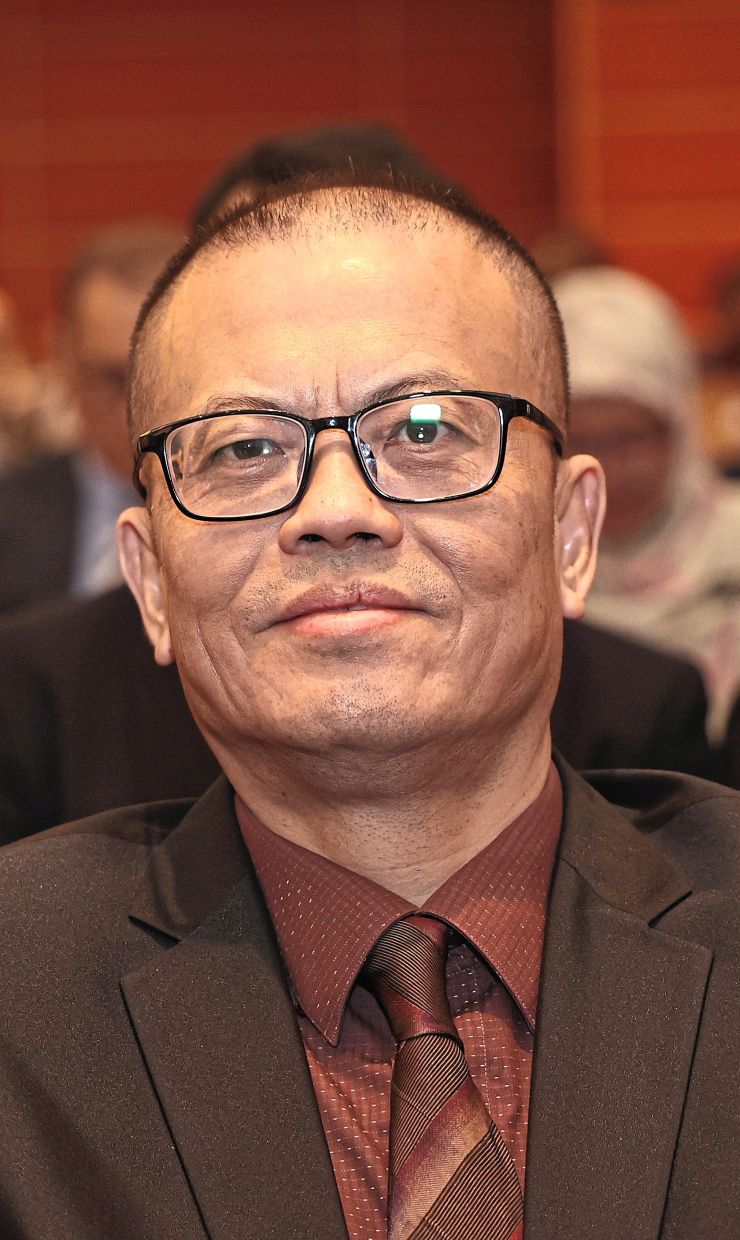
Prof XiaoProf XiaoIt is human nature to look for shortcuts, making it crucial for universities to establish mechanisms that ensure responsible use of AI, said Emeritus Prof Junhong Xiao from Open University of Shantou, China.

“Whether we like it or not, AI will be used in education.

“We, as educators, ensure that students learn to use AI responsibly,” he said.

Rather than punishing students for turning to AI, Prof Prinsloo advocated embracing it as part of the learning process.

“I want to know how they use AI. What was their process? Did they check the answer? How did they validate the answers? We should be interested in the process,” he said, emphasising that students should be encouraged to use such tools responsibly.

He also underscored the importance of transparency in learning and collaboration, cautioning that punishment of AI use could drive students to discover new ways to cheat.

“One university even has a declaration that students fill in to say, ‘I worked with a colleague or AI in this assignment.’

“We almost always punish them for working together with other students or with technology when we should be open and encourage them,” he opined.

Likewise, Prof Melinda shared that her university has already introduced an AI policy at the institutional level.

Under the policy, students are required to declare and document how they engaged with AI, such as the questions they asked, the responses they received, and how they evaluated those responses.

“We ask ‘How did you use AI in your submission’, for instance?

“They have to track the actions they have taken and document it,” Prof Melinda explained.

She, however, acknowledged the challenges of enforcement, as declarations may not always be complete or fully honest.

“Of course, it’s not a guarantee that they will declare everything, especially if they submitted something that’s completely AI-generated. We still have to reflect and guard against that,” she added.

Note: Prof Melinda, Prof Jung, Prof Xiao, Prof Prinsloo and Prof Zawacki-Richter were speakers at the Open University Malaysia “Visionary Leadership: Charting the Futures of Digital Education” public lecture on Aug 6.

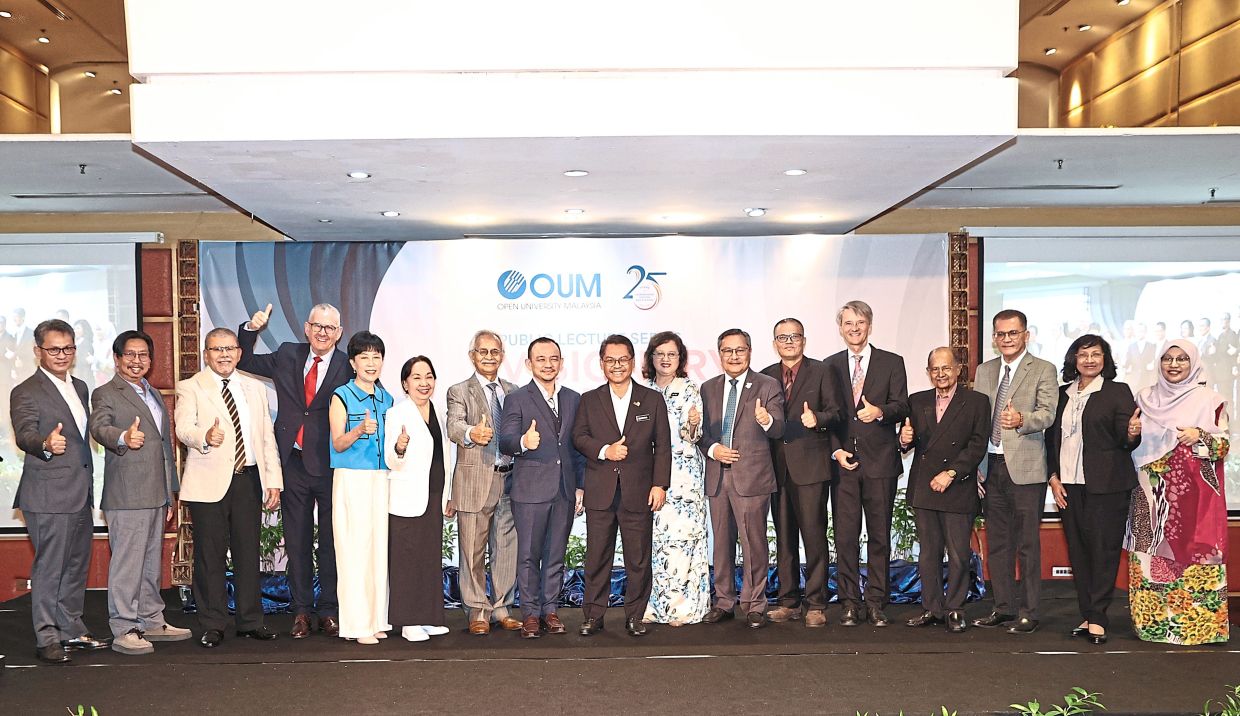
Thumbs up: Mustapha (ninth from left) with Prof Ahmad Izanee (seventh from right) with the speakers and guests at the public lectures series. - AZMAN GHANI/The StarThumbs up: Mustapha (ninth from left) with Prof Ahmad Izanee (seventh from right) with the speakers and guests at the public lectures series. - AZMAN GHANI/The Star

AI in academia

THE Higher Education Ministry is committed to preparing students for a future shaped by AI and digital transformation, says its Deputy Minister Datuk Mustapha Sakmud.

“We are improving how AI is taught and used across our universities.

“We are also building campus environments that support flexible learning, including better Internet access, modern learning spaces, and stronger support for academic staff,” he said at the Open University Malaysia (OUM) “Visionary Leadership: Charting the Futures of Digital Education” public lecture on Aug 6.

Held at a hotel in Kuala Lumpur, the free public lecture series was organised in conjunction with the varsity’s 25th anniversary.

Also present were higher education director-general Prof Dr Azlinda Azman, and OUM president and vice-chancellor Prof Dr Ahmad Izanee Awang.

Subsequently, in a parliamentary reply on Aug 26, Mustapha said the ministry has outlined several measures to address the use of AI in academic writing, namely:

Developing guidelines for AI use in higher education.

Monitoring and regulating practices at the institutional level.

Revising assessment and evaluation methods.

Strengthening teaching and learning approaches that support higher-order thinking skills.

Providing training and professional development.

Upholding a firm commitment to academic integrity.

Ensuring all new and existing courses will include AI-related elements starting from 2025.

Mainstreaming the integration of AI into curricula through an “embedded AI” approach across study programmes, according to the needs of each discipline, such as engineering, technology, social sciences, and service-related fields.

Related posts:

AI and job transformation in Malaysia: What's next?


Related news:


The transition from “making AI talk” to “making AI work” is the next frontier of AI commercialization. Could China, with its advantages in AI application, technology and policy support, be a global testing ground for such a transition?


Source link https://www.thestar.com.my/news/education/2025/09/14/make-ai-an-ally

Tuesday, July 29, 2025

Cut red tape, let business grow’, 13MP must clear the way for private sector growth, say economists

Arial, Tahoma, sans-serif; font-size: 16px; line-height: 1.533em; margin: 0px 0px 15px; overflow-wrap: break-word; overflow: visible; padding: 0px;">

KUALA LUMPUR: The government is planning to expedite the completion of the 13th Malaysia Plan (13MP) within just seven months, a significant reduction compared with the two-year preparation time for previous national plans.

Economy Minister Rafizi Ramli said the government is working towards presenting the draft of 13MP to Parliament by July 2025.

He said this ambitious timeline is driven by the need to ensure Malaysia's socio-economic blueprint for 2026-2030 is ready well ahead of schedule to address the nation's evolving challenges.

"We want to set a new record. In the past, preparing a Malaysia Plan would take up to two years.


13MP must clear the way for private sector growth, say economists

PETALING JAYA: The 13th Malaysia Plan (13MP) must help steer the country’s transition towards becoming a high income nation by 2030 with emphasis on greater private sector participation and less bureaucratic red tape, say economists.

Sunway University economics professor Dr Yeah Kim Leng is of the view that the 13MP must be in tune with the World Bank’s definition of a high-income nation.

“It is important to accelerate economic growth so that the income gap with other high-­income countries continues to narrow.

ALSO READ: MMA: Doctor shortage, healthcare reform must top agenda

“The plans must also include pressing ahead with the required educational, health, infrastructu­ral and environmental development that underpin a dynamic and resilient economy,” he said in an interview.

The 13MP, which is to be unveiled in Parliament on Thursday, will chart a strategic road map for the nation’s economy for the next five years.

The plan, said Dr Yeah, should also contain mechanisms and poli­cies to help Malaysia shift towards a value added tech­nology and innovation-driven economy where private sector participation is crucial.

“There is also a need for policies to increase revenue mobilisation to keep abreast of the need for higher government spending while simultaneously raising spending efficiency and service delivery effectiveness.

“This can be achieved through digitalisation and technology adoption, especially the use of artificial intelligence.”

The economic roadmap, he noted, must include the streamlining and restructuring of govern­ment linked companies and state-owned enterprises.

“This will help unlock the country’s full economic potential through stronger investment, entrepreneurship and private sector-led growth,” he added.

Economist Geoffrey Williams said the 13MP should focus on reducing the role and interference of government in existing business and commercial areas and leaving these to the private sector.

“The government should focus on areas that are the direct legitimate concern of government, including public health, education and social protection.

“Regulations should be slashed and focused only on minimum standards of health and safety, anti-corruption, good governance and anti-trust issues,” he said.

The 13MP, he added, must take into account social issues, with the creation of sustainable living income levels in the form of a Universal Basic Income and a Universal Basic Pension.

“These must support policies to raise incomes through meaningful work with a fair share of value created going to emplo­yees.

“Free higher education should be a priority through the reform of the higher education system and replacing National Higher Education Fund Corporation loans with a sustainable financial system,” said Williams.

The recent changes in the ­global economic landscape is also a factor that should be addressed under the MP13, he pointed out.

“The United States tariff issue has given us a lesson that protectionist policies come with reciprocal costs.

“So removing restrictions to market access should be a priority for 13MP,” he said.

Economist Prof Emeritus Barjoyai Bardai said over-­reliance on a purely capitalistic approach with regards to foreign direct investment has resulted in less than 200,000 companies controlling over 80% of the economy.

He said there should be a shift towards developing the nation’s micro-small and medium enterprises (MSMEs) which make up 65% of the nation’s manpower or some three-million workers.

The 13MP, he said, must also ensure the development of the nation’s semi-conductor industry, which currently ranks seventh globally.

Strategic Institute for Asia Pacific senior economic advisor Dr Anthony Dass said the 13MP must shift from the post Covid-19 recovery period to one of economic transformation to drive high-value growth, particularly in the digital and green economy.

This, he said, must be coupled by inclusive development and fiscal reform, adding that efforts must also be carried out to boost high-tech investment while accelerating upskilling and technical and vocational education and training.

Related stories: